

Describe and understand the concepts of discrimination, race, implicit bias, and birth equity.

Explain the concepts of medicalization of obstetrics and unethical experiments on marginalized groups.

Discuss how the history of the field affects obstetric and gynecologic care today.

History
The history of obstetrics and gynecology in the U.S. evolved from midwives managing childbirth to the rise of medical professionals specializing in women's reproductive health. In the early 19th century, advancements in surgery, anesthesia, and antiseptics helped establish obstetrics as a medical specialty.

Dr. Sims
Dr. James Marion Sims, often referred to as the “father of modern gynecology” played a controversial role, developing surgical treatments but often at the expense of enslaved women’s rights.

20th Century
The 20th century saw tremendous advancements in women’s healthcare, particularly in obstetrics and gynecology. Safer childbirth techniques, innovations in surgical procedures, and the rise of reproductive technologies like IVF have transformed the landscape of women’s health.

United States
However, despite these medical improvements, the United States continues to experience high rates of maternal morbidity and mortality compared to other developed nations. Alarmingly, maternal mortality rates for Black, Native Hawaiian, and American Indian/Alaska Native women are up to three times higher than for White women.

Research
Research indicates that 60-80% of maternal deaths could be prevented through better access to care, more efficient health systems, and by addressing discrimination, mistreatment, and implicit biases in healthcare practices.

Addressing Issue
Addressing these inequities involves structural reforms in health systems and culturally sensitive care that prioritizes patient dignity and combats unconscious biases against marginalized groups.
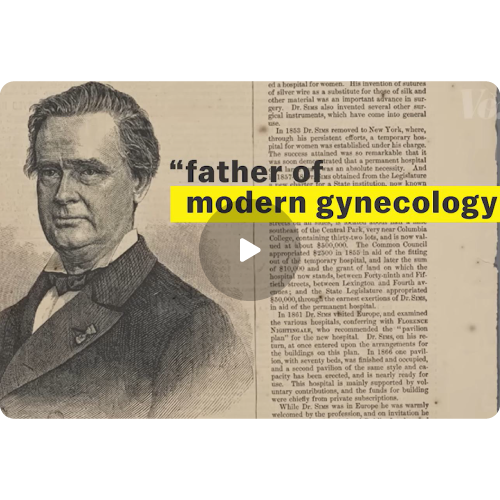
 Click the video to view
The US medical system is still haunted by slavery:
“Sometimes the power dynamic can get a little shifted. The expertise is assumed to lie only in the physician because we have years and years of medical training.”